
Blog
K2 Testing

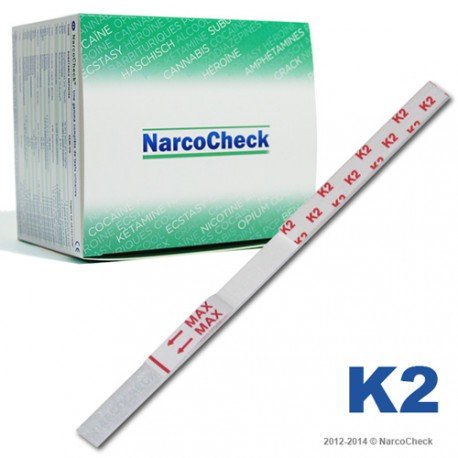
K2 Testing, “K2 testing” refers to the process of detecting synthetic cannabinoids—commonly known as K2 or “Spice”—in biological samples such as urine, blood, saliva, or hair. These substances are lab-made chemicals designed to mimic the effects of cannabis, but they often behave very differently in the body and can be more difficult to detect with standard drug tests.
Because of the increasing use of synthetic cannabinoids in some regions, reliable K2 testing has become important in healthcare, workplace screening, and forensic investigations.
What is K2?
K2 is a general name for a group of synthetic chemicals that act on the same brain receptors as THC, the active compound in cannabis. However, their chemical structures vary widely, which makes detection challenging.
These substances may be sold under names like:
- Spice
- Synthetic weed
- Herbal incense
Despite these labels, they are not natural products and can have unpredictable effects on the human body.
Why K2 Testing is Important
K2 testing is used for several key reasons:
- Medical emergencies: To help doctors identify unknown intoxications
- Workplace drug screening: In safety-sensitive jobs
- Legal cases: Forensic investigations and court evidence
- Rehabilitation programs: Monitoring substance use recovery
Since synthetic cannabinoids can cause severe side effects such as anxiety, hallucinations, rapid heart rate, and in some cases organ damage, accurate testing is crucial.
Common Methods of K2 Testing
1. Urine Testing
Urine tests are the most commonly used method. However, standard drug panels often do not detect K2 unless specifically designed for synthetic cannabinoids.
Specialized immunoassay tests can identify certain metabolites, but results may vary depending on the compound used.
2. Blood Testing
Blood tests are more accurate for detecting recent use. They are often used in hospital settings or forensic investigations.
However, K2 compounds usually stay in the bloodstream for a short time, making timing very important.
3. Hair Testing
Hair analysis can detect drug use over a longer period. As the hair grows, traces of substances may be stored in the hair shaft.
While useful for long-term detection, hair testing for K2 is less common and may not detect all variants.
4. Advanced Laboratory Testing (GC-MS / LC-MS)
The most reliable methods include:
- Gas Chromatography-Mass Spectrometry (GC-MS)
- Liquid Chromatography-Mass Spectrometry (LC-MS)
These methods can identify specific synthetic cannabinoid compounds with high accuracy. They are typically used in forensic laboratories.
Challenges in K2 Testing
K2 testing is complex due to several factors:
- Constant chemical changes: New synthetic variants are frequently created
- Low detectability: Some standard drug panels do not include K2
- Short detection window: Many compounds leave the body quickly
- Lack of standardization: Different labs may test for different compounds
Because of these challenges, a negative test does not always guarantee absence of use unless a comprehensive panel is used.
Limitations of Standard Drug Tests
Many basic drug screening kits used in workplaces test for substances like THC, opioids, amphetamines, and cocaine—but not always synthetic cannabinoids.
This means specialized “expanded panels” are often required for accurate K2 detection.
Conclusion
K2 testing plays a critical role in modern toxicology and public safety. While advanced laboratory techniques have improved detection, the constantly evolving nature of synthetic cannabinoids continues to make testing difficult.