
Blog
K2 Paper Prison

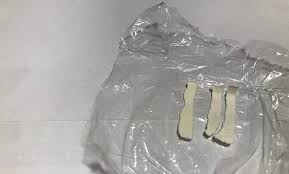
K2 Paper Prison, The term “k2 paper prison” has been gaining attention in discussions about drug abuse, correctional facilities, and public health. It refers to a dangerous trend involving synthetic cannabinoids—commonly known as K2 or Spice—being infused into paper and smuggled into prisons. This method has created serious challenges for law enforcement, prison staff, and inmates alike.
What Is K2 Paper?
K2 paper is ordinary paper—such as letters, drawings, or legal documents—that has been sprayed or soaked with liquid synthetic cannabinoids. Once dried, the drug is nearly invisible and odorless, making it extremely difficult to detect. In a prison setting, this drug-laced paper can be:
- Smuggled through mail systems
- Hidden in books or legal paperwork
- Distributed among inmates discreetly
Users typically tear off small pieces of the paper and smoke or ingest them to experience psychoactive effects.
Why “K2 Paper Prison” Is a Growing Concern
The phrase “k2 paper prison” highlights how widespread and problematic this issue has become in correctional facilities. There are several reasons why this method is especially dangerous:
1. Easy Smuggling
Unlike traditional drugs, K2-infused paper doesn’t raise immediate suspicion. A single sheet can carry multiple doses, making it a highly efficient smuggling method.
2. Potent and Unpredictable Effects
Synthetic cannabinoids are far more potent than natural cannabis. Their chemical composition varies, often leading to severe side effects such as:
- Hallucinations
- Seizures
- Violent behavior
- Heart complications
In prisons, these effects can escalate into safety risks for both inmates and staff.
3. Difficult Detection
Standard drug tests often fail to detect synthetic cannabinoids. Additionally, trained dogs may not always identify K2 due to its constantly changing chemical formulas.
Impact on Prison Systems
The rise of K2 paper in prisons has led to numerous challenges:
- Increased Violence: Inmates under the influence may become aggressive or unpredictable.
- Medical Emergencies: Overdoses and adverse reactions strain prison healthcare systems.
- Operational Disruptions: Lockdowns and investigations become more frequent.
Correctional facilities have had to invest in advanced screening technologies and stricter mail policies to combat this issue.
Preventive Measures and Solutions
Addressing the “k2 paper prison” problem requires a multi-faceted approach:
Enhanced Mail Screening
Some prisons now photocopy incoming mail and discard the originals to prevent drug-soaked paper from entering facilities.
Staff Training
Correctional officers are being trained to recognize symptoms of K2 use and respond effectively to emergencies.
Advanced Detection Tools
New technologies, including ion scanners and chemical detection systems, are being deployed to identify synthetic substances.
Education and Rehabilitation
Educating inmates about the risks of synthetic drugs and providing rehabilitation programs can help reduce demand.
Legal and Ethical Considerations
The rise of K2 paper in prisons also raises legal and ethical questions. Restricting physical mail, for example, may limit inmates’ ability to communicate with loved ones. Balancing security with human rights remains a critical challenge for policymakers.
Conclusion
The issue of k2 paper prison is a stark reminder of how drug trafficking methods continue to evolve. What appears to be harmless paper can conceal a dangerous substance with life-threatening consequences. Combating this problem requires innovation, vigilance, and collaboration between prison authorities, healthcare professionals, and policymakers.
You Might Also Like These: