
Blog
K2 Paper In Prison

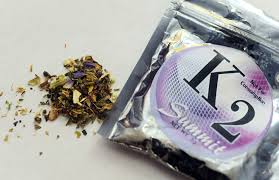
K2 Paper In Prison, The use of synthetic drugs has become a serious issue in correctional facilities worldwide, and one of the most alarming trends in recent years is the rise of K2 paper in prison. This method of smuggling and consuming drugs has created new challenges for prison authorities, healthcare providers, and inmates alike.
What Is K2 Paper?
K2, also known as synthetic cannabinoids or “spice,” is a man-made chemical designed to mimic the effects of THC, the active compound in cannabis. Unlike natural marijuana, K2 is often far more potent and unpredictable.
“K2 paper” refers to ordinary sheets of paper—such as letters, drawings, or legal documents—that have been soaked or sprayed with liquid K2. Once dried, the drug becomes nearly invisible and odorless, making it extremely difficult to detect during routine inspections.
How K2 Paper Enters Prisons
Smuggling K2 paper into prisons has become increasingly sophisticated. Some of the most common methods include:
- Mail delivery: Letters sent to inmates are infused with K2 before being mailed.
- Legal documents: Papers disguised as official or legal correspondence.
- Books and magazines: Pages treated with the substance and sent through approved channels.
- Visitation smuggling: Though less common, paper can also be brought in during visits.
Because paper is typically allowed in prisons, it provides a convenient and low-risk medium for transporting synthetic drugs.
Why K2 Paper Is Popular Among Inmates
There are several reasons why K2 paper has gained popularity in prison environments:
- Easy concealment: It looks like ordinary paper and is hard to detect.
- High potency: Even small amounts can produce strong effects.
- No strong smell: Unlike traditional drugs, it doesn’t alert guards through scent.
- Simple consumption: Users can smoke or ingest the paper in small pieces.
These factors make K2 paper a preferred option compared to other illicit substances.
Health Risks and Dangers
The use of K2 paper poses serious health risks, often far greater than natural cannabis. These include:
- Severe anxiety and paranoia
- Hallucinations and psychosis
- Rapid heart rate and high blood pressure
- Seizures and loss of consciousness
- Long-term mental health issues
In extreme cases, K2 use has led to hospitalization or even death. The unpredictable chemical composition of synthetic cannabinoids means that users never truly know what they are consuming.
Impact on Prison Safety
The spread of K2 paper in prisons affects not only the users but also the overall safety and order of the facility. Some of the key concerns include:
- Increased violence: Drug-induced behavior can lead to aggression and conflicts.
- Medical emergencies: Strain on prison healthcare systems due to overdoses and complications.
- Staff safety risks: Unpredictable inmate behavior can endanger correctional officers.
- Contraband economy: K2 paper often fuels illegal trading and debt among inmates.
Efforts to Combat the Problem
Authorities are taking several measures to address the issue of K2 paper in prison:
- Enhanced mail screening: Using advanced detection technologies and limiting physical mail.
- Digital communication systems: Encouraging electronic messaging to reduce paper entry.
- Staff training: Educating officers to recognize signs of K2 use.
- Stricter regulations: Limiting the types of materials inmates can receive.
Despite these efforts, the problem persists due to the evolving nature of smuggling techniques.
Conclusion
The rise of K2 paper in prison highlights a complex and evolving challenge within correctional systems. Its ease of concealment, high potency, and severe health effects make it particularly dangerous. Addressing this issue requires a combination of improved detection methods, policy changes, and increased awareness among both staff and inmates.
As prisons continue to adapt, tackling the spread of synthetic drugs like K2 remains a critical priority for maintaining safety, health, and order behind bars.
You Might Also Like These: