
Blog
Jwh 018 Spray

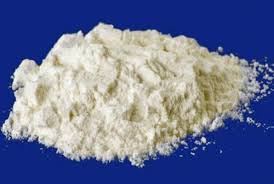
Jwh 018 Spray, “JWH 018 spray” refers to products containing JWH-018, a synthetic cannabinoid that is often sprayed onto dried plant material or other substances. Synthetic cannabinoids are laboratory-made chemicals designed to mimic some effects of THC, the psychoactive compound found in cannabis. However, these substances can behave very differently in the body and are associated with serious health risks.
How Synthetic Cannabinoids Work
JWH-018 interacts with cannabinoid receptors in the brain, especially CB1 receptors. Unlike natural cannabis, synthetic cannabinoids may bind much more strongly to these receptors, which can lead to unpredictable and dangerous reactions.
Users may experience:
- Euphoria
- Relaxation
- Altered perception
- Increased heart rate
- Anxiety or paranoia
In severe cases, synthetic cannabinoids have been linked to:
- Seizures
- Hallucinations
- Aggressive behavior
- Heart complications
- Kidney damage
Health Risks of JWH 018 Spray
One of the biggest dangers of JWH-018 products is inconsistency. Because these substances are often produced illegally, the concentration and ingredients can vary widely between batches.
Reported side effects include:
- Nausea and vomiting
- Panic attacks
- Confusion
- High blood pressure
- Loss of consciousness
Medical experts warn that synthetic cannabinoids may be significantly more harmful than natural cannabis products.
Legal Status
Many countries have banned or restricted JWH-018 and related compounds due to public health concerns. Laws vary by region, but possession, distribution, or manufacture may carry serious legal consequences.
Consumers should always check local regulations and understand the risks before using any unknown chemical substance.
Final Thoughts
JWH 018 spray remains a controversial and potentially dangerous synthetic cannabinoid product. Health authorities continue to warn against its use because of unpredictable potency, contamination risks, and severe side effects. Education and awareness are essential for reducing harm and protecting public health.