
Blog
k2 paper ingredients

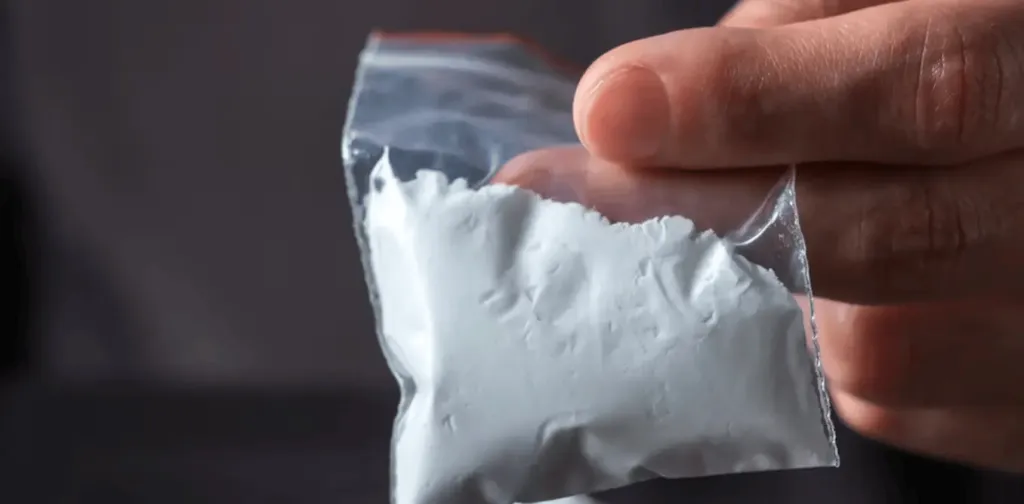
k2 paper ingredients, In recent years, the term “K2 paper ingredients” has gained attention online, especially among those curious about synthetic substances and infused paper products. Despite its seemingly simple name, K2 paper is far from ordinary paper. It is often associated with synthetic compounds that can pose serious health and legal risks. This article explores what K2 paper is, the ingredients typically involved, and why awareness is important.
What Is K2 Paper?
K2 paper, sometimes referred to as “spice paper” or “synthetic paper,” is a type of paper that has been infused or sprayed with synthetic chemicals designed to mimic the effects of cannabis. Unlike natural plant-based substances, K2 products are man-made and often created in unregulated environments, making their composition highly unpredictable.
These papers are sometimes disguised as ordinary sheets, letters, or even artwork, which makes them difficult to detect without proper testing.
Common K2 Paper Ingredients
The phrase “K2 paper ingredients” refers to the chemicals and substances used to create these infused papers. While the exact formula can vary widely depending on the source, the following components are commonly involved:
1. Synthetic Cannabinoids
The primary active ingredient in K2 paper is a group of chemicals known as synthetic cannabinoids. These are lab-created compounds that interact with the same brain receptors as THC (the psychoactive component in cannabis), but often in a much stronger and more dangerous way.
Examples include:
- JWH-018
- AB-FUBINACA
- XLR-11
These substances are frequently altered to bypass legal restrictions, which makes regulation difficult.
2. Solvents
To apply synthetic cannabinoids onto paper, manufacturers use solvents that dissolve the chemicals into a liquid form. Common solvents may include:
- Acetone
- Ethanol
- Methanol
These liquids help evenly distribute the synthetic compounds across the paper surface. Once applied, the solvent evaporates, leaving the active chemicals behind.
3. Binding Agents
Binding agents are sometimes added to help the chemicals adhere more effectively to the paper fibers. These substances ensure that the synthetic compounds remain stable during handling and use.
4. Additives and Unknown Compounds
One of the most concerning aspects of K2 paper ingredients is the presence of unknown additives. Because production is often unregulated, manufacturers may include:
- Chemical fillers
- Flavoring agents
- Other experimental compounds
These unknown ingredients significantly increase the risk of adverse reactions.
Why K2 Paper Ingredients Are Dangerous
Understanding K2 paper ingredients is crucial because of the serious risks involved. Unlike natural substances, synthetic cannabinoids can be extremely potent and unpredictable.
Health risks include:
- Rapid heart rate
- Anxiety and paranoia
- Hallucinations
- Nausea and vomiting
- Seizures in severe cases
Since the exact ingredients can vary from batch to batch, users have no reliable way of knowing what they are consuming.
Legal and Safety Concerns
In many countries, including India, substances associated with K2 paper fall under strict drug control laws. Possession, distribution, or use can lead to severe legal consequences.
Additionally, the covert nature of K2 paper—often disguised as regular paper—raises concerns in controlled environments such as prisons and institutions.
Final Thoughts
The keyword “K2 paper ingredients” may sound technical, but it represents a complex and risky subject. These papers are not harmless products; they are often infused with powerful synthetic chemicals that can have dangerous and unpredictable effects.
Staying informed about what goes into K2 paper is the first step toward making safer, more responsible choices. Avoiding unknown or unregulated substances is always the best approach when it comes to protecting your health and well-being.
You Might Also Like These: