
Blog
Kush Incense

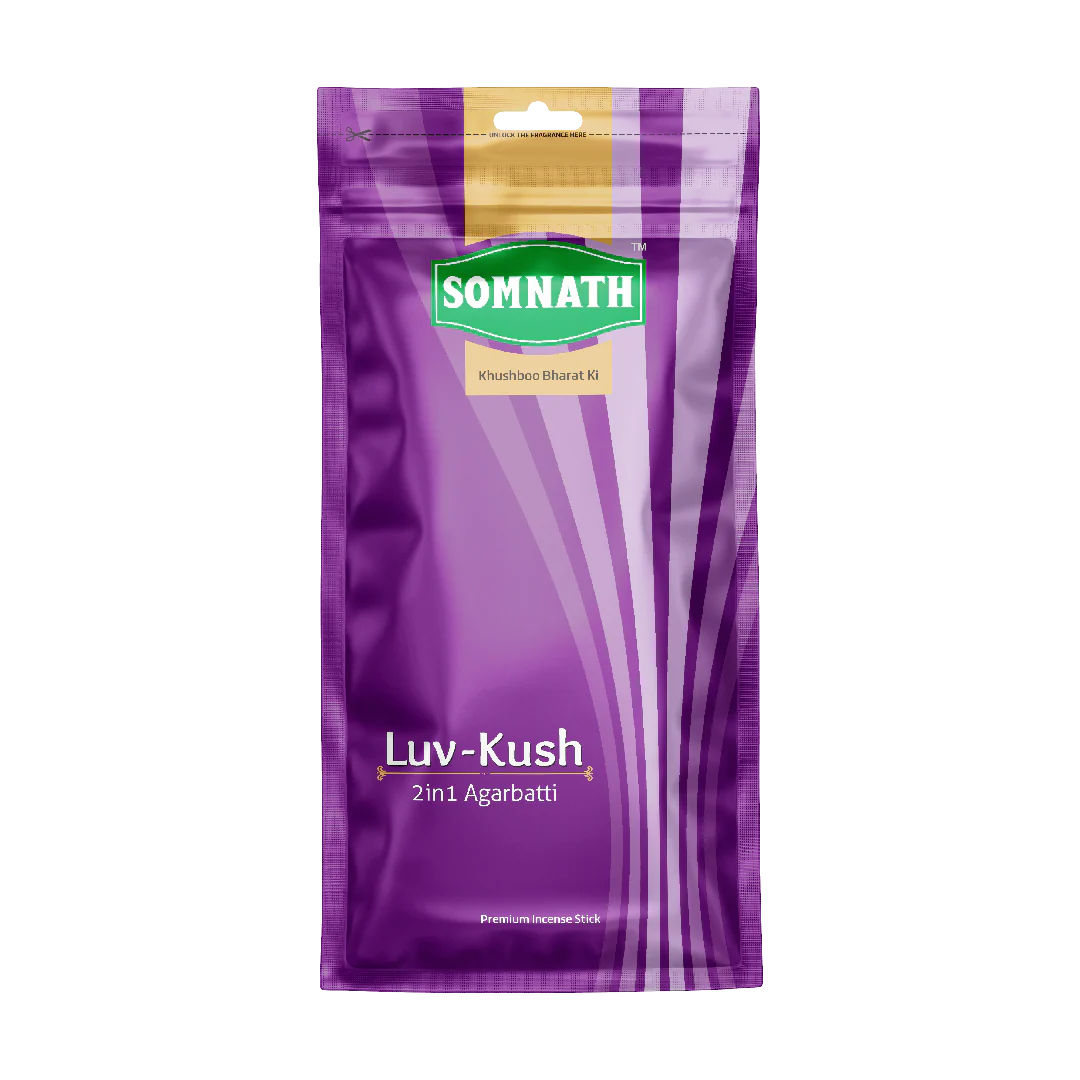
Kush Incense, “Kush incense” is a term that is often used online to describe a type of synthetic or herbal incense product that is marketed with cannabis-like branding. Despite the name, it is not the same as natural cannabis or traditional aromatic incense used for relaxation or spiritual purposes.
In many cases, products sold under labels like “kush incense” are associated with synthetic cannabinoids—laboratory-made chemicals designed to mimic the effects of THC, the active compound in cannabis. These substances are sometimes sprayed onto dried plant material and sold as “incense,” “herbal blends,” or “potpourri,” often with “not for human consumption” printed on the packaging.
What Is Inside Kush Incense?
The exact composition of products labeled as kush incense can vary widely. Unlike regulated products, these blends are not standardized. They may include:
- Dried plant material (as a base)
- Synthetic cannabinoid compounds
- Artificial flavoring or fragrance chemicals
Because the manufacturing process is unregulated, users cannot reliably know what chemicals are present in each batch.
Reported Effects
Some users report effects that resemble cannabis intoxication, such as relaxation or altered perception. However, synthetic cannabinoids can be much stronger and less predictable than natural THC.
Reported effects may include:
- Rapid changes in mood or perception
- Increased heart rate
- Anxiety or agitation
- Confusion or disorientation
- Nausea or vomiting
The intensity and duration of effects can vary significantly depending on the chemical composition.
Health Risks and Safety Concerns
Kush incense and similar synthetic products have been linked to serious health risks. Because the chemical ingredients are not regulated, the effects on the body can be unpredictable.
Potential risks include:
- Severe anxiety or panic attacks
- Heart complications
- Psychotic episodes in some cases
- Seizures (reported in severe cases)
- Poisoning or toxic reactions
Emergency medical cases have been reported in various regions due to synthetic cannabinoid exposure.
Legal Status
The legality of kush incense depends on the country and the specific chemical compounds used. Many synthetic cannabinoids have been banned in several countries, including parts of Europe, the United States, and Asia.
However, manufacturers often change chemical structures to bypass laws, making regulation difficult. As a result, legality can change frequently and vary by jurisdiction.
Why It Is Often Misunderstood
Kush incense is sometimes confused with:
- Natural cannabis products
- Herbal aromatherapy incense
- CBD-based wellness products
In reality, many products labeled as “kush incense” fall into a different category due to their synthetic chemical content and unregulated nature.
Safer Alternatives
For individuals seeking relaxation or aromatic experiences, safer and legal alternatives include:
- Traditional herbal incense (lavender, sandalwood, frankincense)
- Aromatherapy essential oils
- Regulated CBD products (where legal)
- Meditation and relaxation techniques
These alternatives are generally more predictable and do not involve synthetic intoxicating compounds.
Conclusion
Kush incense is a loosely defined term often associated with synthetic cannabinoid products that imitate cannabis effects. While it may be marketed as harmless incense, its composition is frequently unregulated and potentially dangerous. Understanding its risks and legal uncertainty is important for making informed and safe choices.