
Blog
Synthetic Spray

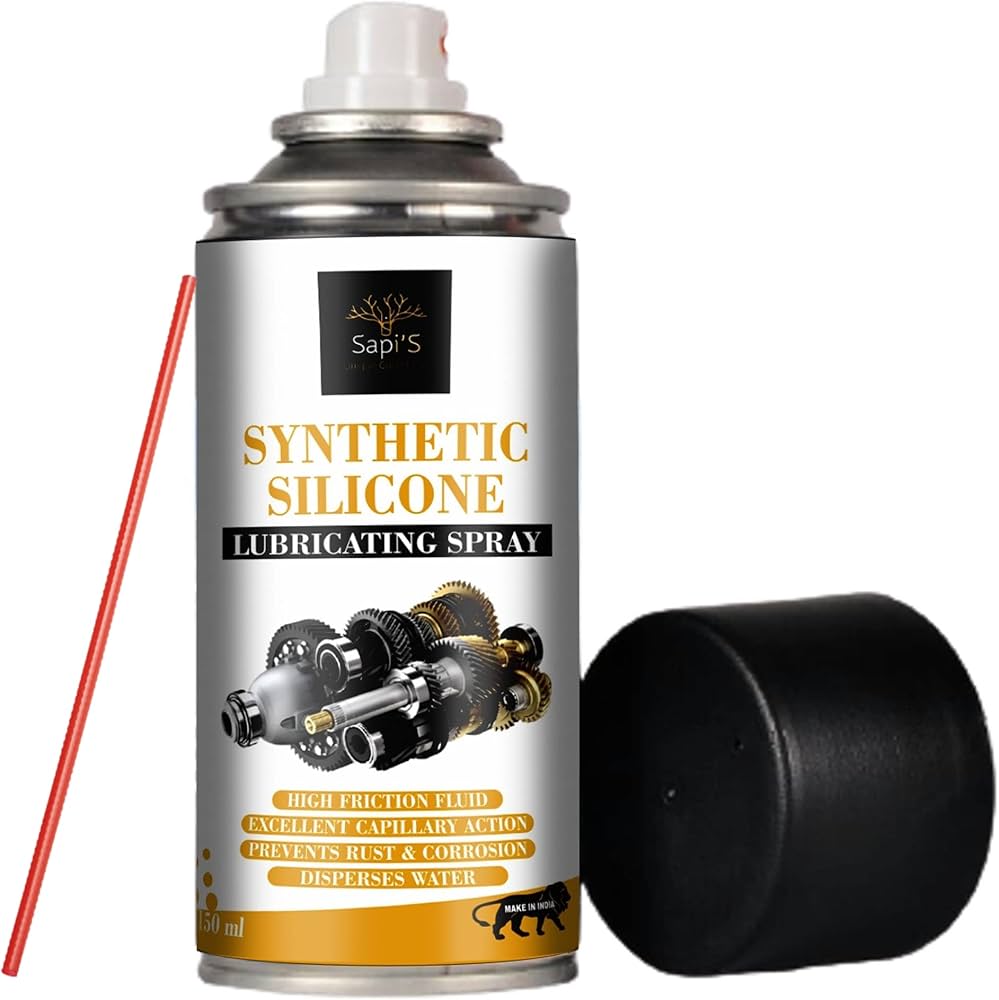
Synthetic Spray, The term “synthetic spray” is often used to describe liquid or aerosol products that contain chemically engineered compounds designed to mimic the effects of natural substances. In many cases, this phrase is associated with products that are sprayed onto plant material or other carriers and then inhaled or consumed. These substances are typically part of a broader category known as synthetic compounds, which can include synthetic cannabinoids or other lab-made chemicals.
What Is Synthetic Spray?
Synthetic spray generally refers to a liquid chemical solution that is applied as a mist or coating. The intention behind these products varies depending on the context—some are used in industrial, agricultural, or cleaning applications, while others are linked to recreational substances that imitate the effects of naturally occurring drugs.
In the context of recreational misuse, synthetic sprays are often associated with substances designed to produce psychoactive effects. These chemicals are engineered in laboratories and may interact with the brain in unpredictable ways.
How It Works in Misused Contexts
When synthetic chemicals are sprayed onto plant material and inhaled, they can affect the central nervous system. Because these compounds are not standardized, their strength and composition can vary significantly from batch to batch. This unpredictability is one of the major risks associated with them.
Unlike naturally derived substances, synthetic compounds are often modified repeatedly to bypass legal restrictions, which can make their effects even more uncertain.
Possible Effects on the Body
The effects of synthetic spray substances can vary widely depending on the chemical composition. Reported effects may include:
- Altered perception and mood changes
- Increased heart rate and blood pressure
- Anxiety, agitation, or paranoia
- Dizziness or confusion
- Nausea or vomiting
In more severe cases, users may experience hallucinations, extreme agitation, or medical emergencies requiring immediate attention.
Health and Safety Risks
One of the biggest concerns with synthetic spray products is the lack of quality control. Because these substances are often made in unregulated environments, there is no consistent dosage or safety standard.
Potential risks include:
- Toxic reactions due to unknown chemicals
- Overdose from highly potent compounds
- Long-term psychological effects
- Risk of dependency or repeated use
- Dangerous interactions with other substances
Emergency medical incidents linked to synthetic compounds have been reported in various regions, highlighting their unpredictability.
Legal Status
In many countries, substances associated with synthetic sprays are controlled or banned. However, manufacturers often change chemical structures slightly to create new variants that temporarily fall outside existing laws. This ongoing cycle makes regulation difficult and increases public health concerns.
Conclusion
Synthetic spray is a broad term that can refer to different types of chemical products, but in many contexts it is associated with unregulated synthetic compounds that pose serious health risks. Due to their unpredictable nature and potential for harm, caution and awareness are essential.