
Blog
K2 Lab Test

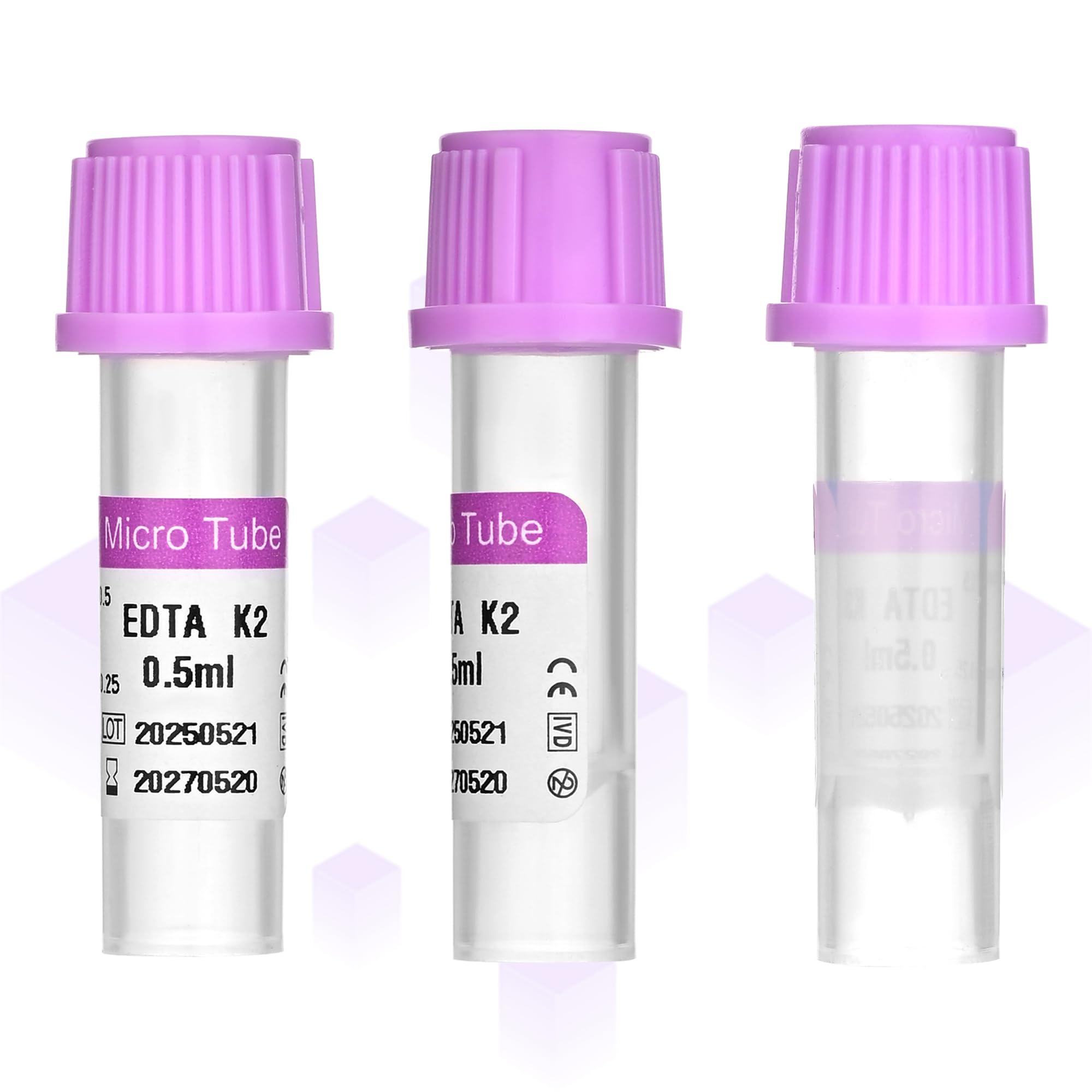
K2 Lab Test, The term “k2 lab test” is commonly used to describe laboratory testing methods designed to detect synthetic cannabinoids, often known as K2 or Spice, in biological samples. These substances are chemically engineered to mimic the effects of THC, the active compound in cannabis, but they can be far more unpredictable in their effects and detection.
What is a K2 Lab Test?
A K2 lab test is a specialized toxicology screening used to identify the presence of synthetic cannabinoids in urine, blood, saliva, or other biological samples. Unlike standard drug tests that typically focus on THC, opiates, or amphetamines, K2 testing targets a wide range of chemically modified compounds that frequently change in structure.
Because K2 compounds are constantly evolving, laboratory detection can be complex and requires advanced analytical techniques.
Why is a K2 Lab Test Needed?
A K2 lab test is often conducted in situations such as:
- Workplace drug screening (especially in safety-sensitive jobs)
- Medical emergencies involving unexplained symptoms
- Legal or forensic investigations
- Rehabilitation and substance monitoring programs
These tests help identify exposure to synthetic cannabinoids that may not appear on standard drug panels.
How Does a K2 Lab Test Work?
Most professional laboratories use advanced technologies for accurate detection, including:
- Gas Chromatography-Mass Spectrometry (GC-MS)
- Liquid Chromatography-Mass Spectrometry (LC-MS/MS)
These methods break down samples into chemical components and compare them with known synthetic cannabinoid markers.
Since manufacturers frequently alter the chemical structure of K2 compounds, laboratories must continuously update their detection libraries.
Types of Samples Used
A K2 lab test can be performed using different types of biological samples:
- Urine tests – most commonly used due to ease and detection window
- Blood tests – useful for recent exposure analysis
- Saliva tests – non-invasive but shorter detection window
- Hair tests – can show long-term exposure history
Detection Window for K2
The detection time for synthetic cannabinoids depends on several factors such as usage frequency, metabolism, and test type. In general:
- Urine: 1–7 days (may vary)
- Blood: up to 24–48 hours
- Hair: up to 90 days or more
However, due to chemical variability, exact detection windows can differ significantly.
Challenges in K2 Lab Testing
K2 lab tests are considered more complex than standard drug tests because:
- Chemical formulas change frequently
- Some compounds are not yet cataloged
- Concentrations in the body may be very low
- Rapid metabolism of synthetic cannabinoids
This makes confirmatory laboratory testing essential for accurate results.
Accuracy and Reliability
Modern laboratory techniques provide high accuracy when properly conducted. However, results depend on:
- Quality of the testing equipment
- Updated chemical reference databases
- Proper sample handling and storage
Confirmatory testing is often required to validate initial screening results.
Conclusion
A k2 lab test plays a crucial role in detecting synthetic cannabinoids that standard drug tests may miss. With advanced analytical technologies and continuous updates in chemical databases, laboratories can provide reliable results for medical, legal, and workplace purposes.