
Blog
How To Test For K2 On Paper

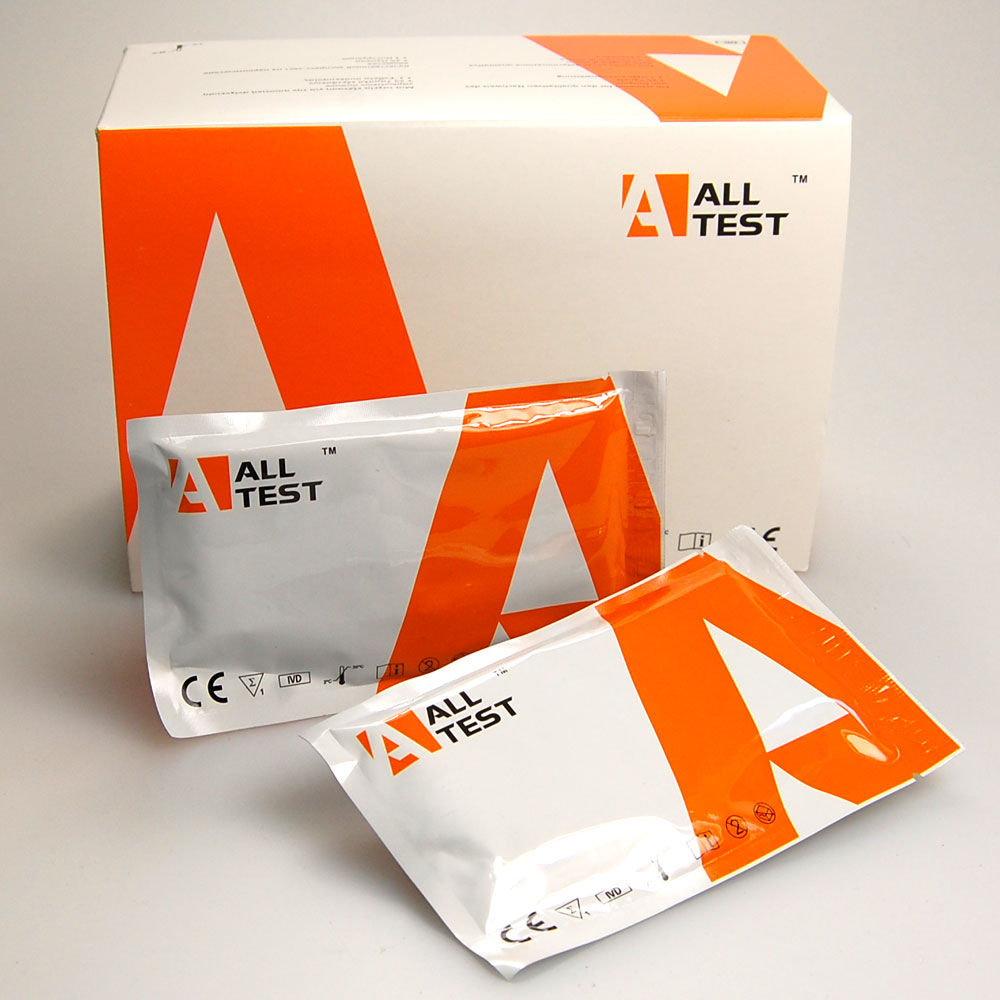
How To Test For K2 On Paper, Synthetic cannabinoids, commonly known as K2 or Spice, are often sprayed onto paper and other plant materials to mimic the effects of cannabis. Because these substances can be highly unpredictable and sometimes dangerous, knowing how to test for K2 on paper is important for safety, awareness, and harm reduction.
What Is K2 on Paper?
K2 refers to a wide range of man-made chemicals designed to interact with the same brain receptors as THC (the active compound in cannabis). These chemicals are often dissolved in a liquid and sprayed onto paper, herbs, or even fabric. The result can look harmless, but the potency and composition are often unknown.
Why Testing Matters
Testing for K2 on paper is crucial because:
- Unpredictable potency: Synthetic cannabinoids can be far stronger than natural cannabis
- Health risks: They have been linked to severe side effects, including anxiety, seizures, and heart issues
- Unknown ingredients: Many batches contain different or mixed compounds
Methods to Test for K2 on Paper
1. Drug Test Kits (Reagent Testing)
One of the most accessible ways to check for synthetic cannabinoids is by using drug reagent test kits.
How it works:
- A small sample of the paper is tested with a chemical reagent
- The reagent changes color depending on the presence of certain substances
Limitations:
- Not all K2 compounds react the same way
- Results may not identify the exact chemical
👉 These kits are useful for screening, but not definitive identification.
2. Laboratory Testing
The most accurate way to test for K2 is through professional lab analysis.
Common techniques include:
- Gas Chromatography–Mass Spectrometry (GC-MS)
- Liquid Chromatography (LC-MS)
Advantages:
- Identifies specific synthetic cannabinoids
- Highly reliable and detailed
Drawbacks:
- Expensive
- Requires sending samples to a certified lab
3. Test Strips (Limited Availability)
Some specialized test strips are designed to detect synthetic cannabinoids.
Pros:
- Quick and easy
- Portable
Cons:
- Limited detection range
- May not work for newer or uncommon K2 compounds
4. Visual and Physical Clues (Not Reliable Alone)
While not a scientific method, some signs may suggest paper has been treated:
- Uneven discoloration or staining
- Chemical or unusual odor
- Oily or sticky texture
⚠️ These signs are not reliable proof and should never replace proper testing.
Safety Tips
If you suspect paper may contain K2:
- Avoid direct handling if possible
- Do not inhale fumes or smoke it
- Store it safely away from others
- Seek professional testing if needed
Final Thoughts
Understanding how to test for K2 on paper can help reduce risks associated with unknown synthetic substances. While at-home kits provide a quick check, laboratory testing remains the most accurate method. Given the variability and potential dangers of K2, caution and awareness are essential.
k2 testing, k2 lab test, k2 tester