
Blog
K2 Prison Paper

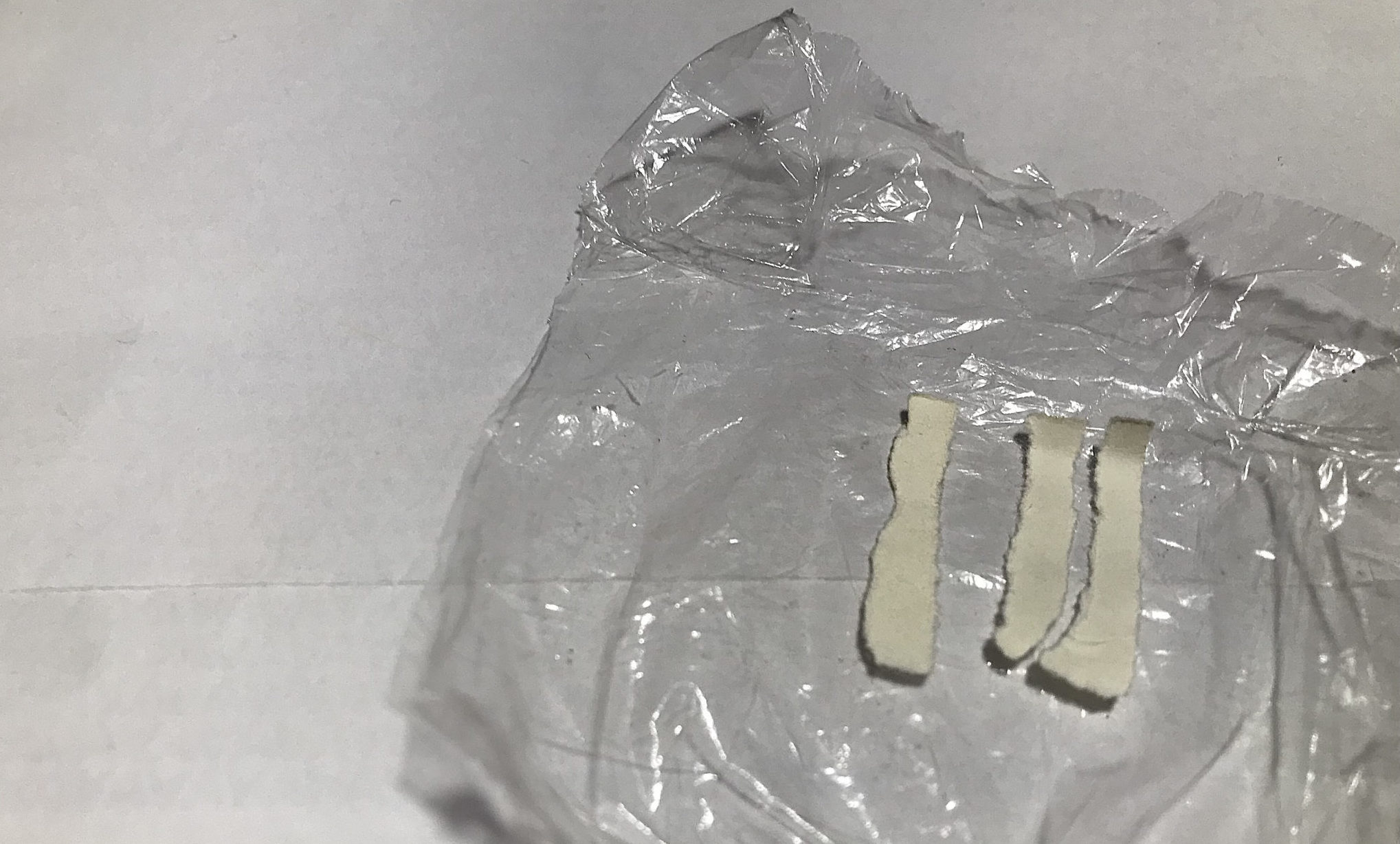
K2 Prison Paper, The term “k2 prison paper” has gained attention in recent years, particularly in discussions about contraband in correctional facilities. It refers to ordinary-looking paper that has been infused or sprayed with synthetic drugs, commonly known as K2 or synthetic cannabinoids. While it may appear harmless at first glance, k2 prison paper is associated with serious health, legal, and safety issues.
What Is K2 Prison Paper?
K2 prison paper is typically standard sheets of paper—letters, drawings, or even legal documents—that have been treated with liquid synthetic cannabinoids. Once dried, the drug becomes nearly invisible and odorless, making it easier to smuggle into secure environments like prisons.
Inmates often consume the substance by smoking or ingesting small pieces of the paper. Because the drug is embedded into the fibers, it can be difficult for authorities to detect using traditional screening methods.
Why Is K2 Prison Paper Common in Prisons?
There are several reasons why k2 prison paper has become a preferred method of smuggling substances:
- Discreet Appearance: It looks like normal paper, making it less suspicious than powders or pills.
- Ease of Transport: Letters and documents are commonly allowed into correctional facilities, providing an easy pathway.
- High Potency: Even small amounts can produce strong psychoactive effects.
- Detection Challenges: Standard drug-sniffing methods may not easily identify it.
Health Risks of K2 Prison Paper
The use of k2 prison paper poses significant health dangers. Synthetic cannabinoids are not the same as natural cannabis; they are chemically altered and often much stronger. Users may experience:
- Severe anxiety or paranoia
- Hallucinations
- Rapid heart rate
- Nausea and vomiting
- Seizures or loss of consciousness
In extreme cases, use of K2 has been linked to long-term psychological damage and even death. The unpredictable nature of these substances makes them particularly dangerous.
Impact on Prison Safety
K2 prison paper is not just a health issue—it also affects overall prison safety. Its use has been associated with:
- Increased violence and erratic behavior
- Medical emergencies requiring staff intervention
- Disruptions to prison operations
- Greater burden on healthcare services within facilities
Correctional institutions around the world are actively trying to combat the spread of these substances through stricter mail screening and advanced detection technologies.
Legal Consequences
Possession, distribution, or use of k2 prison paper is illegal in most jurisdictions. Individuals caught with it—whether inside or outside prison—can face serious legal penalties, including:
- Additional criminal charges
- Extended prison sentences
- Fines and disciplinary action within correctional facilities
Even sending contaminated paper knowingly can result in prosecution.
Prevention and Awareness
Authorities and organizations are working to reduce the circulation of k2 prison paper by:
- Implementing digital mail systems
- Using chemical detection tools
- Educating inmates and staff about risks
- Restricting physical mail in some facilities
Public awareness is also crucial. Families and friends of inmates should be informed about the dangers and legal risks associated with sending or handling suspicious materials.
Conclusion
K2 prison paper represents a growing challenge in correctional systems due to its discreet nature and harmful effects. While it may seem like a simple piece of paper, its impact can be severe—affecting individual health, institutional safety, and legal standing. Understanding the risks and promoting awareness are key steps toward addressing this issue effectively.